


IIT Patna's Advanced PG Certificate in DevOps Engineering on Cloud and AIOps
Lorem ipsum dolor sit amet, consectetur adipiscing elit. Ut elit tellus, luctus nec ullamcorper mattis, pulvinar dapibus leo.
Schedule
Sat-Sun
Projects
Live Infrastructure
Placement Support
350+ Partners
Batch Size
20 Professionals
Advanced Certification
IIT Patna
Led by the Futurense Leadership Council (FLC)

Shriharsh Gaikwad

Saad Shaikh

Anushka Gaikwad

Ganesh Chaudhary

Rahul Saini

Rahul Sharma

Priya Patel

Sneha Singh

Neha Agrawal

Why DevOps is the Most In-Demand Careers of the AI Decade
AI is transforming every industry. But AI cannot run by itself. It depends on Cloud Infra, Scalable Servers, Automated and Secure Deployment Environments. The engineers who build and manage this backbone are DevOps Engineers.
Legacy Enterprises Need Full-Cycle AI Engineering
India’s real AI race ≠ startups
It’s in legacy enterprises + GCCs
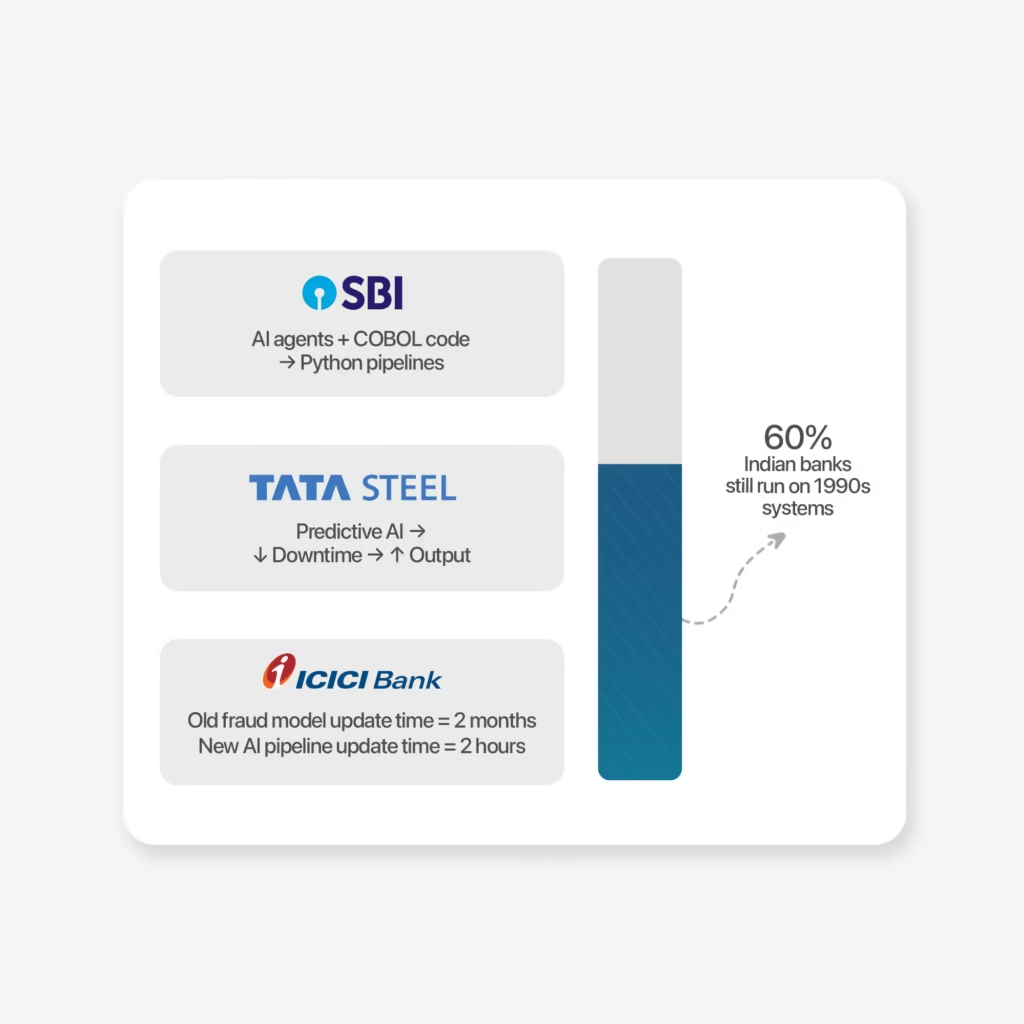
60% of Indian banks still run on 1990s systems (RBI, 2025)
Why?
Fragmented data + hardcoded logic + outdated infra
Cloud-Native AI Is Now the Default
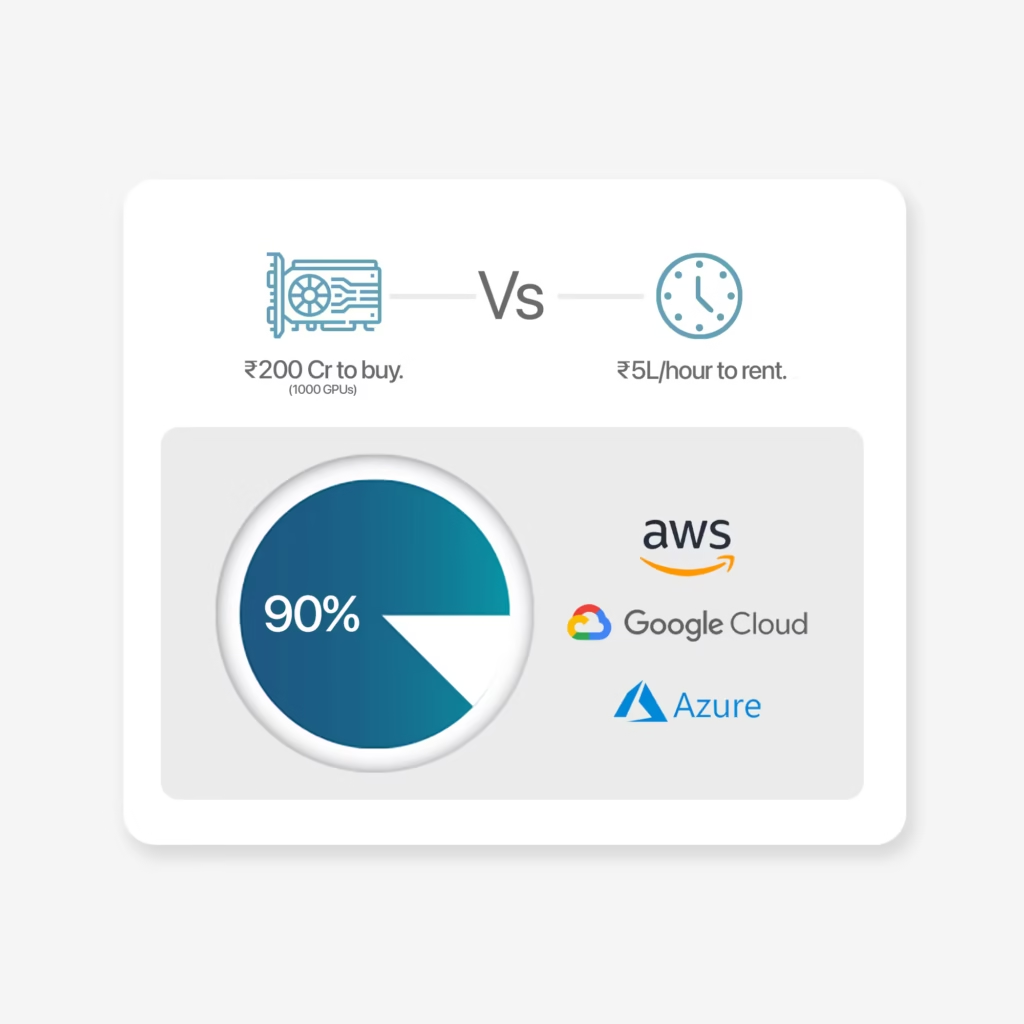
90% of new AI workloads run on AWS, GCP, or Azure.
Why? Why?
₹200 Cr to buy.(1000 GPUs), ₹5L/hour to rent.
Elastic, scalable, cost-effective
(IMARC, 2025)
India’s Big Bet: Cloud + GPU + Agentic Infrastructure
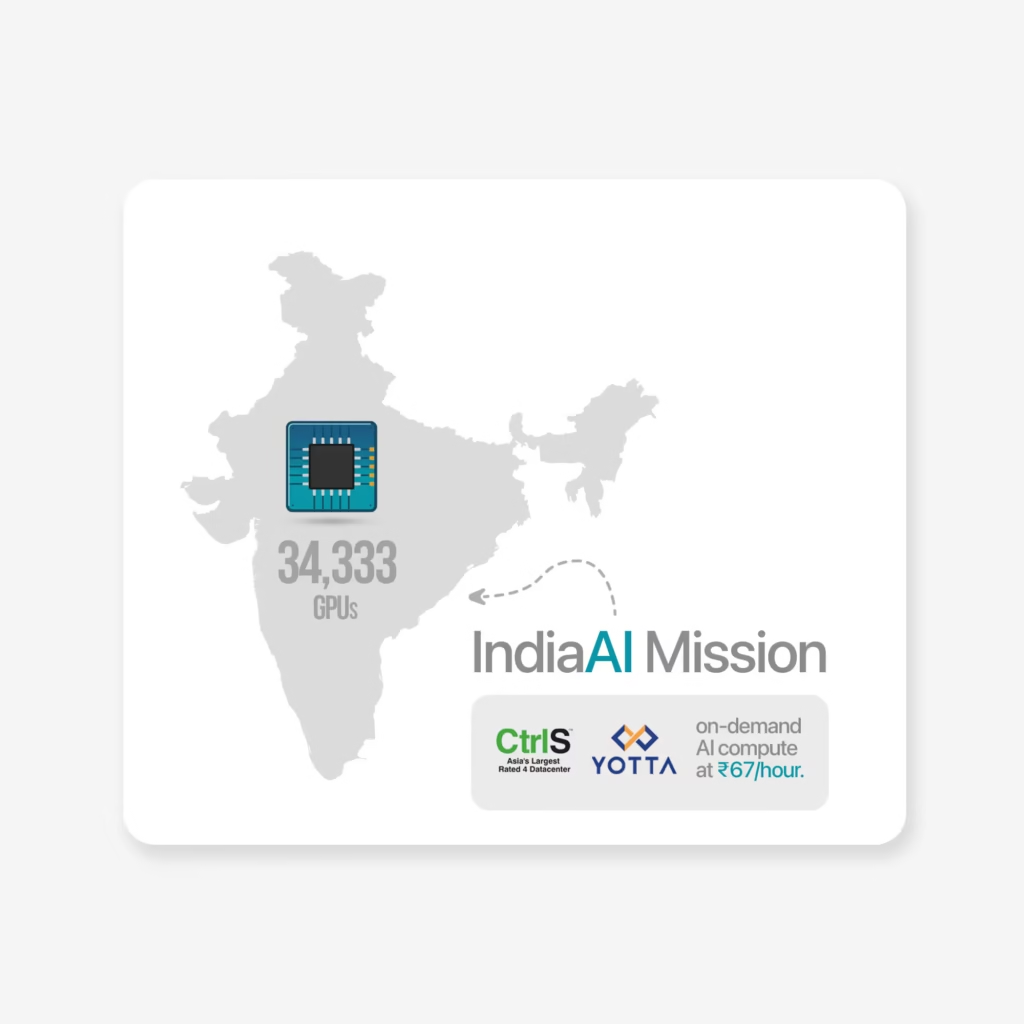
The IndiaAI Mission now runs 34,333 GPUs nationwide. Indigenous GPU manufacturing begins by 2029. Datacenters like CtrlS and Yotta offer on-demand AI compute at ₹67/hour
Enterprise AI Took Over: and It’s Winning
Companies are now building Enterprise Agentic AI Systems… cross-functional, autonomous, updated.
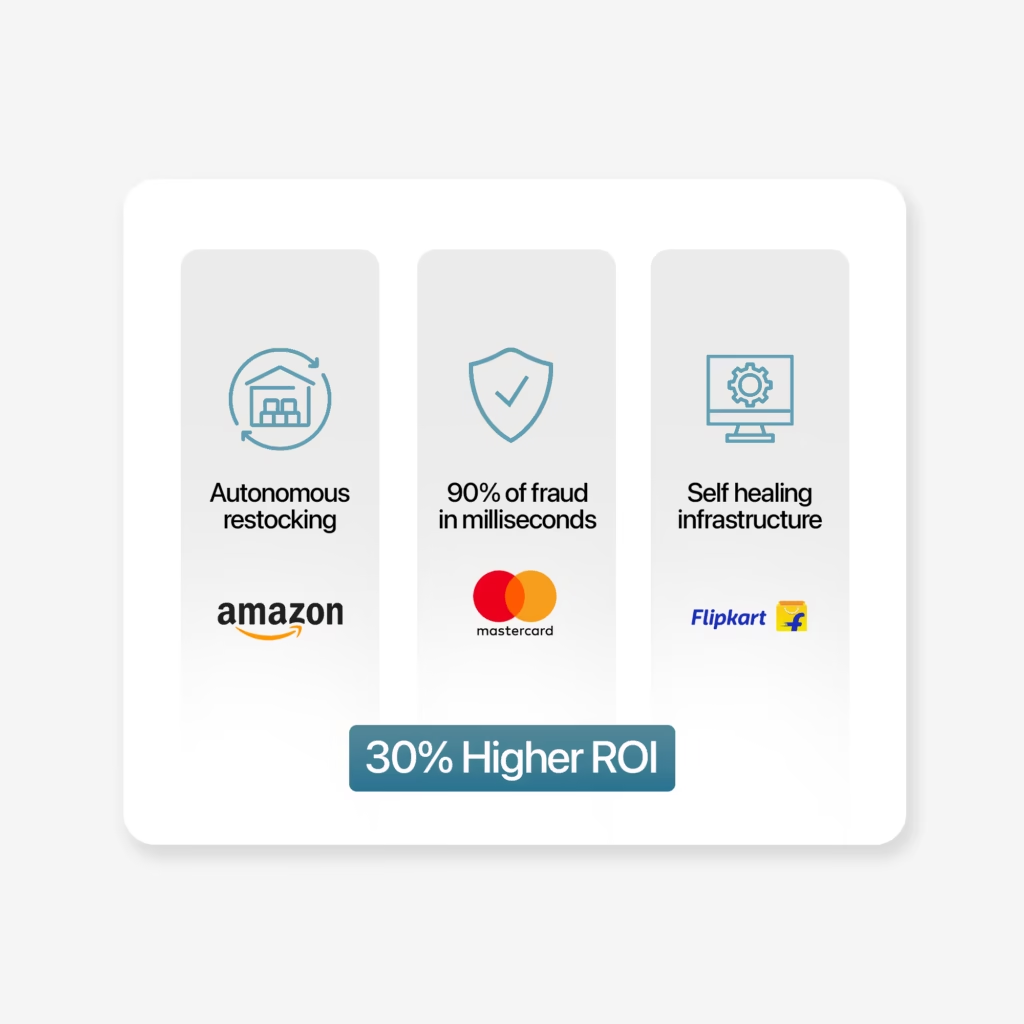
Amazon’s supply chain restocks warehouses autonomously.
Mastercard’s AI blocks 90% of fraud in milliseconds.
Flipkart self-heals its infra during festive crashes.
Infact,Agentic workflows deliver 30% higher ROI (McKinsey)
The Root Problem? Teams Were Building in Isolation
A marketing model can’t talk to HR. A chatbot can’t update fraud systems.
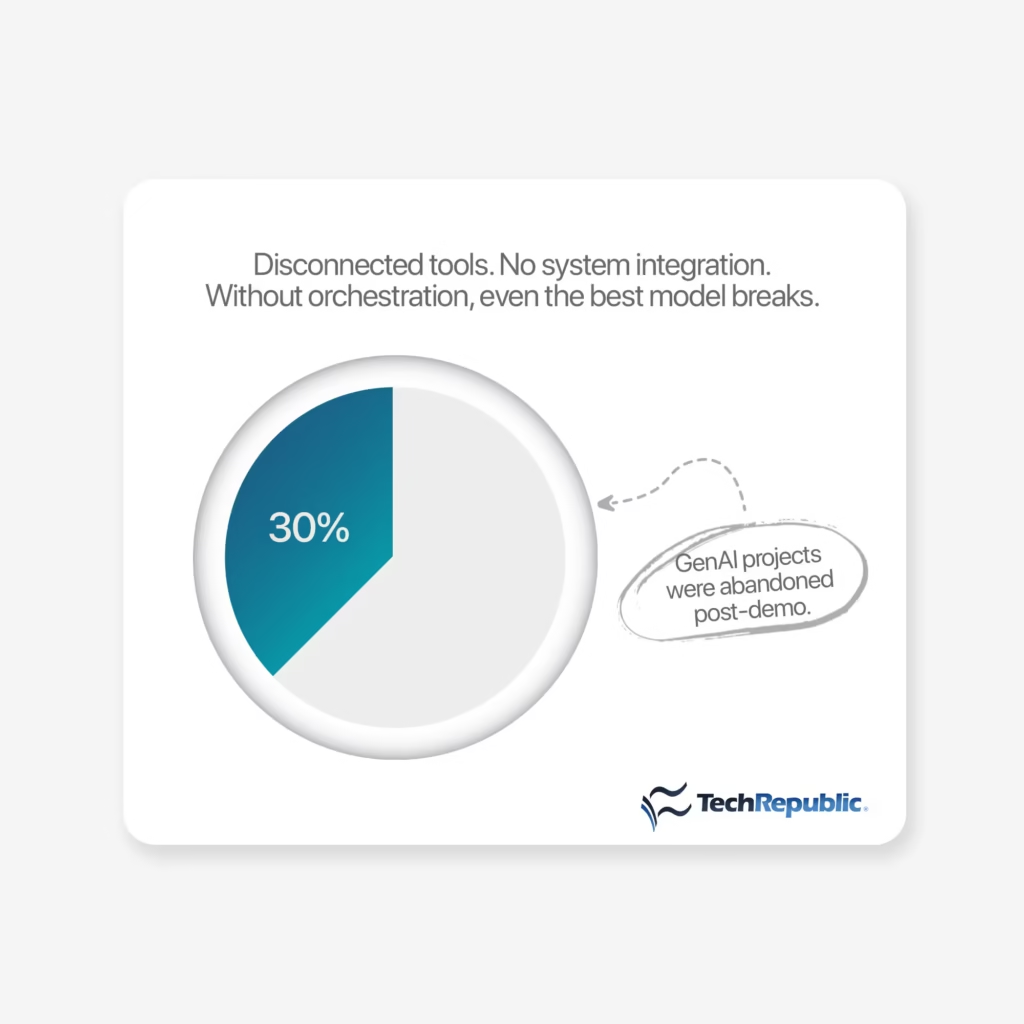
Disconnected tools. No system integration. Without orchestration, even the best model breaks.
30% of GenAI projects were abandoned post-demo. (TechRepublic)
GenAI Lit the Spark: But It Couldn’t Sustain the Fire
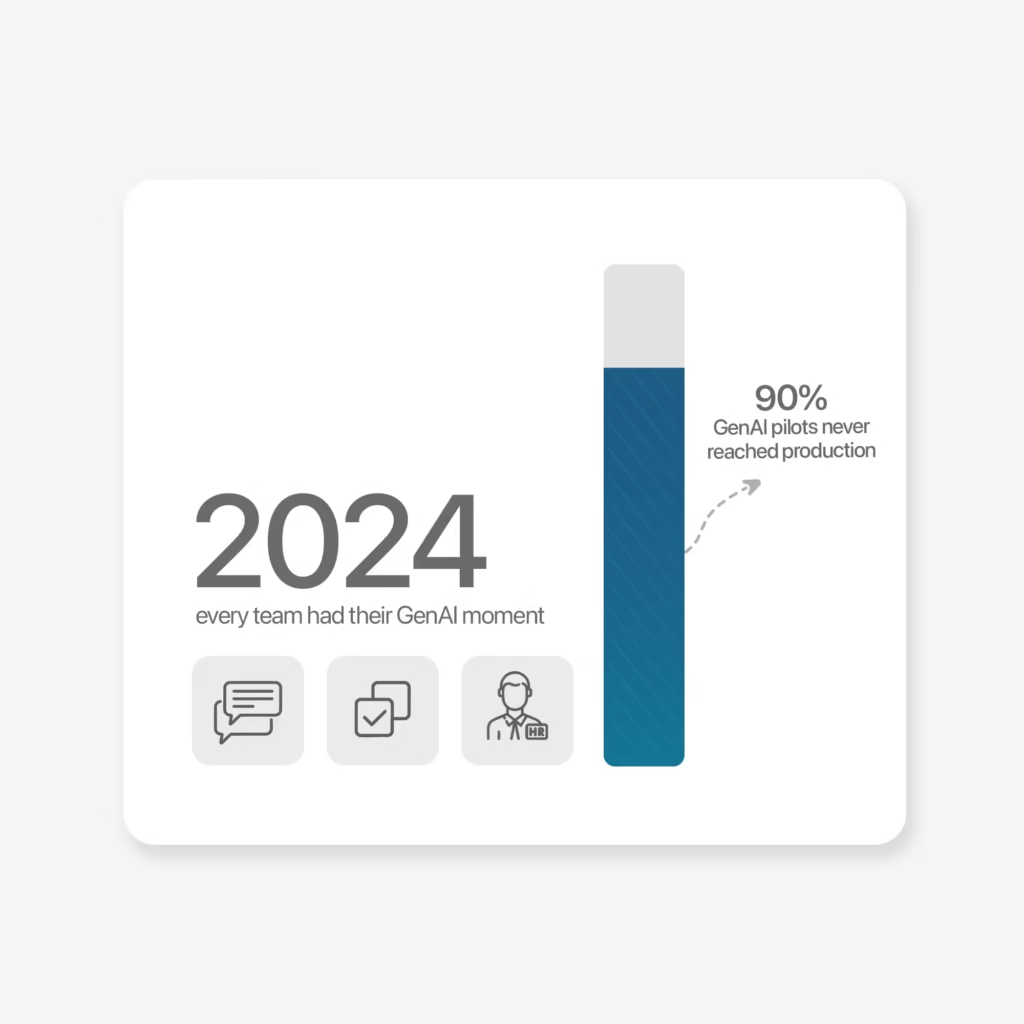
- By 2024, every team had their GenAI moment: chatbots, copy tools, HR prompts.
- But 90% of pilots never reached production.(Gartner, 2025). Because isolated team AI can’t scale… only orchestrated systems can.
Legacy Enterprises Need Full-Cycle AI Engineering
India’s real AI race ≠ startups
It’s in legacy enterprises + GCCs
60% of Indian banks still run on 1990s systems (RBI, 2025)
Why?
Fragmented data + hardcoded logic + outdated infra
Cloud-Native AI Is Now the Default
90% of new AI workloads run on AWS, GCP, or Azure.
Why? Why?
₹200 Cr to buy.(1000 GPUs), ₹5L/hour to rent.
Elastic, scalable, cost-effective
(IMARC, 2025)
India’s Big Bet: Cloud + GPU + Agentic Infrastructure
The IndiaAI Mission now runs 34,333 GPUs nationwide. Indigenous GPU manufacturing begins by 2029. Datacenters like CtrlS and Yotta offer on-demand AI compute at ₹67/hour
Enterprise AI Took Over: and It’s Winning
Companies are now building Enterprise Agentic AI Systems… cross-functional, autonomous, updated.
Amazon’s supply chain restocks warehouses autonomously.
Mastercard’s AI blocks 90% of fraud in milliseconds.
Flipkart self-heals its infra during festive crashes.
Infact,Agentic workflows deliver 30% higher ROI (McKinsey)
The Root Problem? Teams Were Building in Isolation
A marketing model can’t talk to HR. A chatbot can’t update fraud systems.
Disconnected tools. No system integration. Without orchestration, even the best model breaks.
30% of GenAI projects were abandoned post-demo. (TechRepublic)
GenAI Lit the Spark: But It Couldn’t Sustain the Fire
- By 2024, every team had their GenAI moment: chatbots, copy tools, HR prompts.
- But 90% of pilots never reached production.(Gartner, 2025). Because isolated team AI can’t scale… only orchestrated systems can.
It’s time to convert prototypes into pipelines
- Today, AI ≠ Just Model Building
- It’s Build + Deploy + Scale + Maintain
Everything in This Program Is Built for One Outcome: Your DevOps Career
Every part of this program is built to remove the real obstacles between you and a DevOps job, helping you move from learning tools to confidently clearing interviews and working on real enterprise systems.
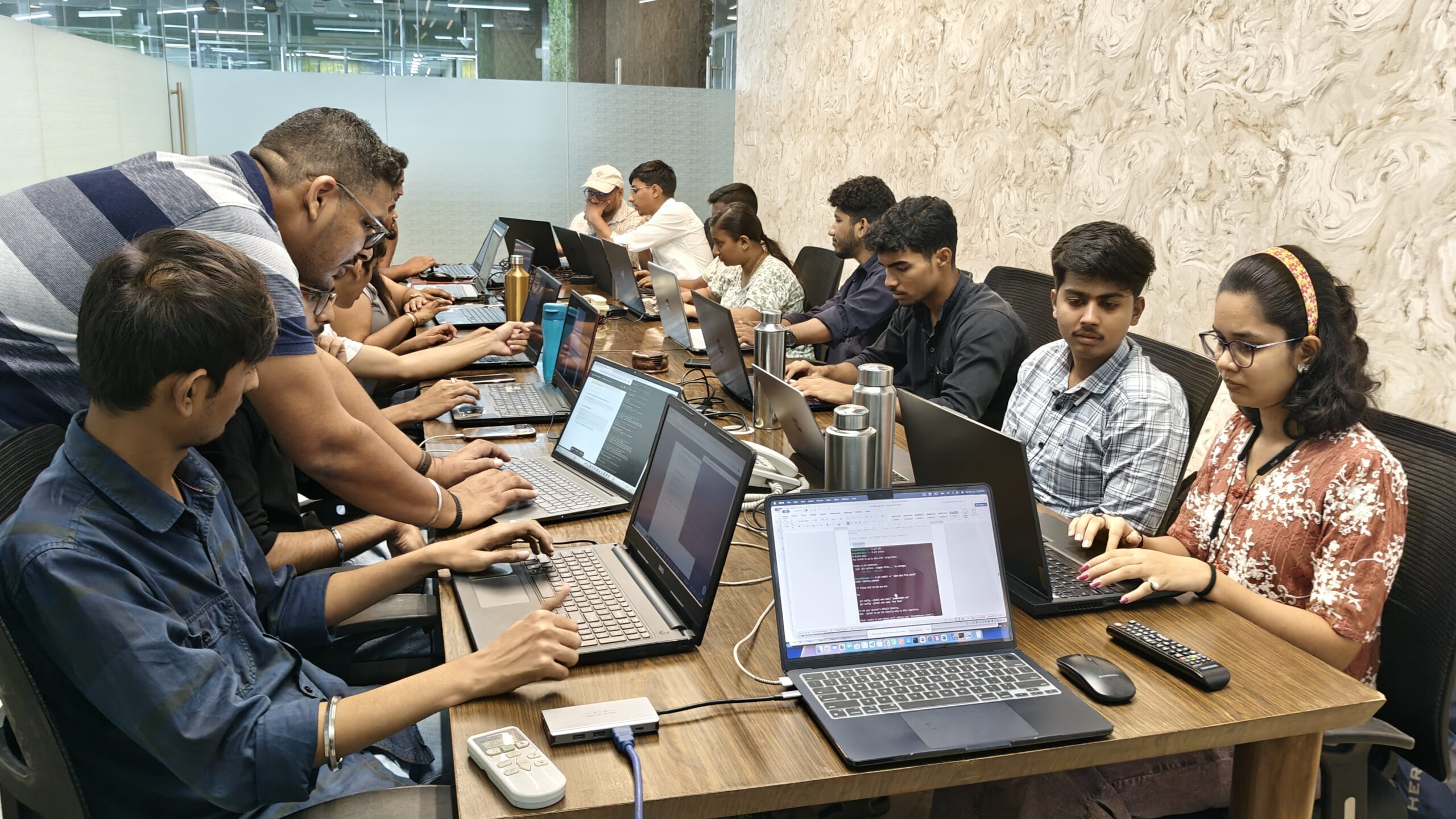
Classroom Training
(Not an online course) Many professionals try switching careers through recorded videos and lose consistency. In-person training provides structure, accountability, and real-time doubt solving.
Live Production Projects
(Not just theory) Knowing tools isn’t enough to clear DevOps interviews. Work on real cloud infrastructure projects and demonstrate practical capability.
Weekly Mock Interviews
(With hiring managers) Most candidates fail interviews due to poor performance, not lack of knowledge. Train weekly on real DevOps interview scenarios and build confidence under pressure.
IIT Patna Advanced Certification
(Credibility that signals seriousness) In competitive markets, perception influences hiring decisions. An IIT-backed credential strengthens your profile and reduces recruiter hesitation.
Weekend-Only Schedule
(Built for working professionals) Switching careers feels risky when you depend on your current income. Upskill seriously on weekends without disrupting financial stability.
Industry Experts
(Not outdated content) Outdated curriculum slows down career growth. Learn from professionals actively working in DevOps and Cloud roles.
Structured Placement Support
(350+ hiring partners) Many learners complete courses but struggle with job conversion. Receive resume guidance and access to a strong hiring network.
Classroom Training
(Not an online course) Many professionals try switching careers through recorded videos and lose consistency. In-person training provides structure, accountability, and real-time doubt solving.
Live Production Projects
(Not just theory) Knowing tools isn’t enough to clear DevOps interviews. Work on real cloud infrastructure projects and demonstrate practical capability.
Weekly Mock Interviews
(With hiring managers) Most candidates fail interviews due to poor performance, not lack of knowledge. Train weekly on real DevOps interview scenarios and build confidence under pressure.
IIT Patna Advanced Certification
(Credibility that signals seriousness) In competitive markets, perception influences hiring decisions. An IIT-backed credential strengthens your profile and reduces recruiter hesitation.
Weekend-Only Schedule
(Built for working professionals) Switching careers feels risky when you depend on your current income. Upskill seriously on weekends without disrupting financial stability.
Industry Experts
(Not outdated content) Outdated curriculum slows down career growth. Learn from professionals actively working in DevOps and Cloud roles.
Structured Placement Support
(350+ hiring partners) Many learners complete courses but struggle with job conversion. Receive resume guidance and access to a strong hiring network.
An IIT Patna Credential That Strengthens Your Resume
About IIT Patna - PG Program in DevOps Engineering
This program carries the academic depth and structured approach inspired by IIT Patna – designed to combine strong fundamentals with practical, industry-relevant execution.
An IIT name on your resume does more than add a certificate.
It signals credibility.
It signals rigor.
It signals seriousness.
For recruiters, it reduces doubt.
For hiring managers, it builds instant trust.
In competitive job markets, that signal matters.
Because sometimes, the right credential doesn’t just improve your profile – it changes how you are perceived.
About Coordinator, CEC - PG Program in DevOps Engineering
This program carries the academic depth and structured approach inspired by IIT Patna – designed to combine strong fundamentals with practical, industry-relevant execution.
An IIT name on your resume does more than add a certificate.
It signals credibility.
It signals rigor.
It signals seriousness.
For recruiters, it reduces doubt.
For hiring managers, it builds instant trust.
In competitive job markets, that signal matters.
Because sometimes, the right credential doesn’t just improve your profile – it changes how you are perceived.
About Program Director - PG Program in DevOps Engineering
This program carries the academic depth and structured approach inspired by IIT Patna – designed to combine strong fundamentals with practical, industry-relevant execution.
An IIT name on your resume does more than add a certificate.
It signals credibility.
It signals rigor.
It signals seriousness.
For recruiters, it reduces doubt.
For hiring managers, it builds instant trust.
In competitive job markets, that signal matters.
Because sometimes, the right credential doesn’t just improve your profile – it changes how you are perceived.
While mastering 20+ tools


Everything You Need to Crack
DevOps, Cloud & SRE Interviews
Everything You Need to Crack DevOps, Cloud & SRE Interviews
Module 1: Foundations of DevOps, Linux & Git
- Linux Fundamentals & Shell Scripting
- Git Version Control & Branching Strategies
- Networking Basics for DevOps
- Virtualization Concepts
Module 2: Containerization with Docker
- Docker Architecture & Installation
- Working with Docker Images & Containers
- Dockerfile Best Practices
- Docker Networking & Storage
- Docker Compose for Multi-Container Apps
Module 3: Orchestration with Kubernetes
- Kubernetes Architecture (Master/Worker Nodes)
- Pods, Deployments, and Services
- ConfigMaps & Secrets
- Ingress Controllers & Networking
- Helm Charts for Package Management
Module 4: Infrastructure as Code (IaC)
- Introduction to IaC
- Terraform: Providers, Resources, State
- Terraform Modules & Workspaces
- Ansible: Inventory, Playbooks, Roles
- Configuration Management Best Practices
Module 5: CI/CD Pipelines
- Continuous Integration vs Continuous Deployment
- Jenkins: Installation, Pipelines, Plugins
- GitHub Actions: Workflows & Runners
- Artifact Management (Nexus/Artifactory)
- Automated Testing in Pipelines
Module 6: Cloud & Monitoring
- AWS Services: EC2, S3, VPC, IAM
- Cloud Security Best Practices
- Monitoring with Prometheus
- Visualization with Grafana
- Log Management with ELK Stack
Module 7: GenAI Application Development Prompting Techniques
- Introduction to Prompt Engineering
- Successful and Unsuccessful prompts
- Types of Prompting
- Introduction to Open AI, GPT , Open AI Playground
- Cost & latency considerations when calling APIs (OpenAI, Azure, AWS).
- Multimodal prompting for GPT 4
- Image generation using Open AI DALLE 3
- Prompt evaluation
- Implementing Agents and Chains
- Implementing zero-shot-react, conversational-react agents with LangChain
- Open AI Function (Tool Integration)
- Testing various LLMs with Prompt Engineering
Module 8: Synthetic Data and Datasets for LLMs
- Introduction to Synthetic Data
- Generating Synthetic Data
- Synthetic Data for LLMs
- Real-world Applications and Use Cases
- Hands-on generating and using Synthetic Data
Module 9: AI Embeddings & Retrieval
- Understanding AI Embeddings
- Advanced Retrieval Techniques
- Hugging Face Embeddings
- Vector Databases in AI
- CRUD operations with Vector Databases
- RAG – Retreival Augmented Generation
- RAG solutions using Open AI models and Hugging face models
- Ethical Considerations in AI Embeddings
- Navigating AI Hallucinations, Drift, and Bias
- Embeddings in Real-world Applications
- Embeddings Optimization and Fine-tuning
- Embeddings Security and Privacy
- LLM Ops and model deployment best practices
Module 10: Understanding Agentic AI
- Agents, Agentic AI and Multi-Agent Systems
- Agent Definition & Autonomy
- Simple vs. Knowledge-Based Agents
- Reflex vs. Goal-Driven Agents
- Microsoft AutoGen
- Agent Architecture (Perception, Decision, Action)
- Integrating Knowledge Bases (RAG, Domain Data)
- Measuring Performance (Success Rate, Resource Usage)
- Hierarchical Agent Planning
- Multi-Step Reasoning with LLM
- Memory & Long-Term Context
- Integrating Retrieval Augmentation in Agent Workflows
- Domain-Specific Knowledge & Dynamic Prompting
Module 11: Exploring Cloud Ecosystems
- Cloud Ecosystems
- Introduction to Cloud Ecosystem
- Definitions
- Cloud characteristics
- Deployment models
- Leading Service providers (AWS, Google, Azure, etc.)
- Comparing AWS, Azure, and GCP core services for compute, storage, and AI/ML.
- Data Centres and their components
- Service (SaaS, IaaS, PaaS)
- Issues & Challenges
Module 12: Advancement in Hypervisors
- Understanding hypervisors
- Reference model
- Virtualisation characteristics
- Principles of hypervisor design interfaces
- Types of hypervisors (type-1 and type-2)
- Differences between Type-1 and Type-2 hypervisors.
- Design methods of hypervisors (full virtualization, para virtualization, and hardware-assisted virtualization)
- Memory Virtualisation
- I/O virtualisation
- OS virtualization
- Comparative Analysis of hypervisors
- Understanding performance, requirements, and bottleneck
Module 13: Container Orchestration
- Understanding LLM Deployment Architectures
- Containerizing LLM Inference Services (e.g., using FastAPI + Docker)
- Managing GPU Workloads in Kubernetes
- Scaling LLM APIs with Kubernetes and Istio
- Optimizing Latency and Throughput for LLM Containers
- Secure Access and Rate Limiting for AI APIs
- CI/CD for LLM-Powered Microservices
- Monitoring and Logging for LLM Containers
- Model Versioning and Rollbacks
- Cost Optimization Strategies for LLM Inference in Production
Module 14: Cloud Security & Resilience
- Infrastructure security: Network-level security
- Host-level security
- Application-level security
- Data security and storage: Data privacy and security issues
- Jurisdictional issues raised by data location
- Identity and access management
- Access control
- IAM, Key Management Services, and zero-trust architecture trust, reputation, risk authentication in cloud computing
- Client access in the cloud
- Cloud contracting model
- Commercial and business considerations
Module 15: Understanding Cloud in context of Gen AI and LLMs
- EC2 Deep Dive and AMIs
- EBS vs S3 vs EFS – Storage Solutions
- Load Balancing and Auto Scaling Basics
- Intro to Serverless: AWS Lambda
- Using AWS Bedrock for GenAI (including foundation models)
- Deploying Open-Source LLMs on EC2/EKS
- Fine-Tuning and Inference
- Pipelines on Cloud
- Cost & Performance
- Considerations for LLM Workloads
- SageMaker Pipelines for Model Training and Inference
- Model Versioning, A/B Testing, and Rollbacks
- Security and Compliance for GenAI in Production
Total
Total Duration – 132 Hours
Hours trained by IIT – 66 Hours
Hours trained by Futurense – 66 Hours
Is this for you?
-
Educational Qualification
3–4 year STEM degree (B.Tech, B.Sc, MCA, etc.)
-
Work Experience
Preferred 1+ years of industry experience; however, qualified freshers who have prior courses done in AI or ML may apply
-
Prerequisites
Programming experience required, via academics, work, or projects
-
Minimum Marks
50% in graduation
-
Screening
Mandatory pre-screening test to assess readiness for the program
Your Path to Success
Our alumni have gone on to achieve remarkable success in their careers, leveraging the skills and knowledge gained from our courses. Join our community and become part of a network of professionals who are making an impact in the industry.
Enroll in Our Career Track
Master essential concepts with engaging videos, comprehensive reading materials, and interactive quizzes.
Complete Hands-On Projects
Enhance your portfolio by solving real-world problems, guided by industry experts to learn best practices.
Perfect Your Resume and Interview Skills
Polish your resume and practice through mock interviews with our experts, preparing you to excel.
Achieve Your Dream Job
Receive extensive support from our team to secure interviews and land positions at top companies.
From Code to Cloud: What You’ll Truly Master Here
Build full-stack GenAI systems
Master the complete development cycle of GenAI applications using LLMs, LangChain, RAG, and sophisticated agent orchestration – moving beyond basic notebooks to production-ready APIs.
Own the AI engineering lifecycle
Master the complete spectrum from foundational machine learning to advanced multimodal GenAI and agentic architectures, becoming a full-stack AI engineering professional.
Design enterprise-ready agents
Create automated workflow solutions using cutting-edge frameworks including AutoGen, Crew AI, and n8n, bringing true intelligence to business processes.
Navigate cloud platforms
Gain expertise in architecting, containerizing, and deploying AI solutions across major cloud platforms – AWS, Azure, and GCP.
Secure and scale AI
Implement robust systems with rollback capabilities, comprehensive observability, security measures, and compliance protocols for enterprise-grade AI deployments.
Master AI pipelines
Learn to deploy, version, monitor, and retrain models using industry-standard tools like Docker, Kubernetes, and advanced MLOps workflows for seamless production environments.
Build full-stack GenAI systems
Master the complete development cycle of GenAI applications using LLMs, LangChain, RAG, and sophisticated agent orchestration – moving beyond basic notebooks to production-ready APIs.
Own the AI engineering lifecycle
Master the complete spectrum from foundational machine learning to advanced multimodal GenAI and agentic architectures, becoming a full-stack AI engineering professional.
Design enterprise-ready agents
Create automated workflow solutions using cutting-edge frameworks including AutoGen, Crew AI, and n8n, bringing true intelligence to business processes.
Navigate cloud platforms
Gain expertise in architecting, containerizing, and deploying AI solutions across major cloud platforms – AWS, Azure, and GCP.
Secure and scale AI
Implement robust systems with rollback capabilities, comprehensive observability, security measures, and compliance protocols for enterprise-grade AI deployments.
Master AI pipelines
Learn to deploy, version, monitor, and retrain models using industry-standard tools like Docker, Kubernetes, and advanced MLOps workflows for seamless production environments.
Redefine Your Career Path
We’ve helped thousands turn their dreams into DevOps careers. Their success stories are all the proof you need.

Rahul Sharma
DevOps Engineer at TCS
Mumbai
Before: ₹3.5 LPA
143% increase
Now: ₹8.5 LPA
“After 8 months of rejections, I got 3 offers in 2 weeks after completing this program. The placement support is incredible.”

Roshni Ahuja
Cloud Engineer at Infosys
Mumbai
Before: ₹4 LPA
130% increase
Now: ₹9.2 LPA
“The mentors taught me exactly what hiring managers look for. I went from 0 interviews to 5 job offers in my first month of job search.”

Varun Mehta
Site Reliability Engineer at Wipro
Mumbai
Before: ₹5 LPA
140% increase
Now: ₹12 LPA
“I was stuck at ₹5 LPA for 2 years. The industry insights and real project experience helped me break into a senior role immediately.”

Rahul Sharma
DevOps Engineer at TCS
Mumbai
Before: ₹3.5 LPA
143% increase
Now: ₹8.5 LPA
“After 8 months of rejections, I got 3 offers in 2 weeks after completing this program. The placement support is incredible.”

Roshni Ahuja
Cloud Engineer at Infosys
Mumbai
Before: ₹4 LPA
130% increase
Now: ₹9.2 LPA
“The mentors taught me exactly what hiring managers look for. I went from 0 interviews to 5 job offers in my first month of job search.”

Varun Mehta
Site Reliability Engineer at Wipro
Mumbai
Before: ₹5 LPA
140% increase
Now: ₹12 LPA
“I was stuck at ₹5 LPA for 2 years. The industry insights and real project experience helped me break into a senior role immediately.”
Start Mapping Your Career Path
Before the Job Offer, the Job Experience

Sajag Porwal

Junior Developer
Local IT Company
DevOps Engineer
Sales Force
After 8 months of rejections, I got 3 offers in 2 weeks after completing this program. The placement support is incredible and the mentors really understand what hiring managers are looking for. The hands-on projects gave me the confidence to tackle real-world scenarios during interviews.

Purva Mishra

Manual Tester

Testing Services

Cloud Engineer
Master Card
The mentors taught me exactly what hiring managers look for. I went from 0 interviews to 5 job offers in my first month of job search. The transition from manual testing to DevOps seemed impossible, but the structured curriculum and personal guidance made it achievable.

Saad Shaikh

Student
College Graduate

Site Reliability Engineer
RevSure AI
As a fresh graduate with no industry experience, I was worried about competing with experienced professionals. This program not only taught me technical skills but also how to present myself professionally. The mock interviews and resume guidance were game-changers.

Anushka Gaikwad

Operations Executive
Banking Sector

DevOps Analyst
Timespro
Coming from a non-technical background, I thought DevOps was out of reach. The instructors broke down complex concepts into digestible parts and provided continuous support. The career transition seemed daunting, but the structured approach made it smooth and achievable.

Ganaram Chaudhary

Technical Support
IT Support

Cloud Operations Engineer
Iron Mountain
I was stuck in support roles for years with no clear path forward. This program opened doors I didn’t even know existed. The industry connections and direct placement support helped me skip the usual job hunting struggle and land a role that truly utilizes my potential.

Shriharsh Gaikwad

Full Stack Developer
Startup
DevOps Consultant
engagely.ai

The transition from development to DevOps required understanding infrastructure and operations deeply. The hands-on labs and real-world projects provided exactly that experience. The mentorship from industry experts gave me insights I couldn’t get anywhere else.
Explore Student Life at DevOps Institute Mumbai
Explore how DevOps Institute Mumbai DevOps and cloud engineer courses helped shape their careers and fuel their success.
Our Hiring Partners


Life Beyond Classroom at DevOps Institute Mumbai
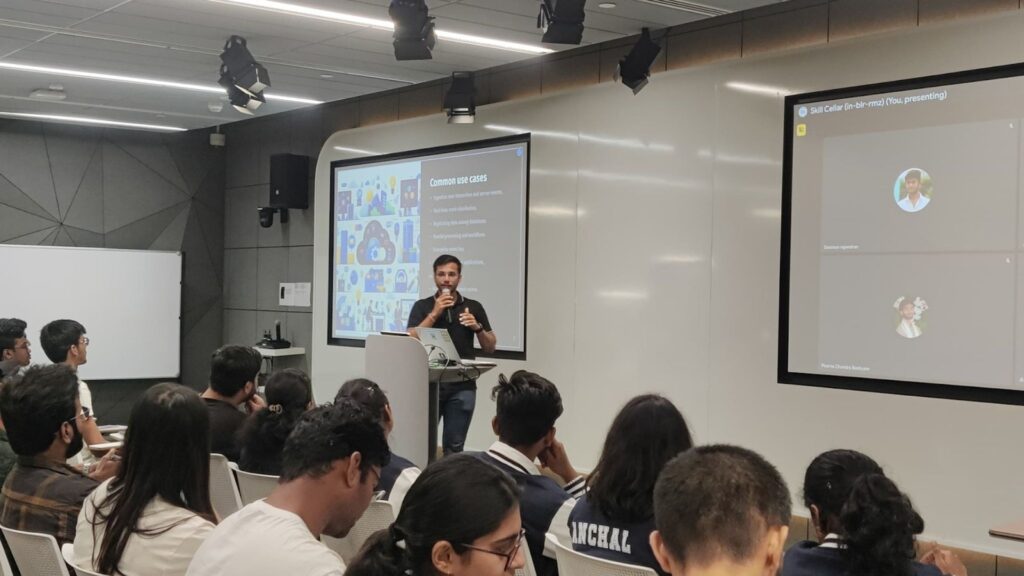
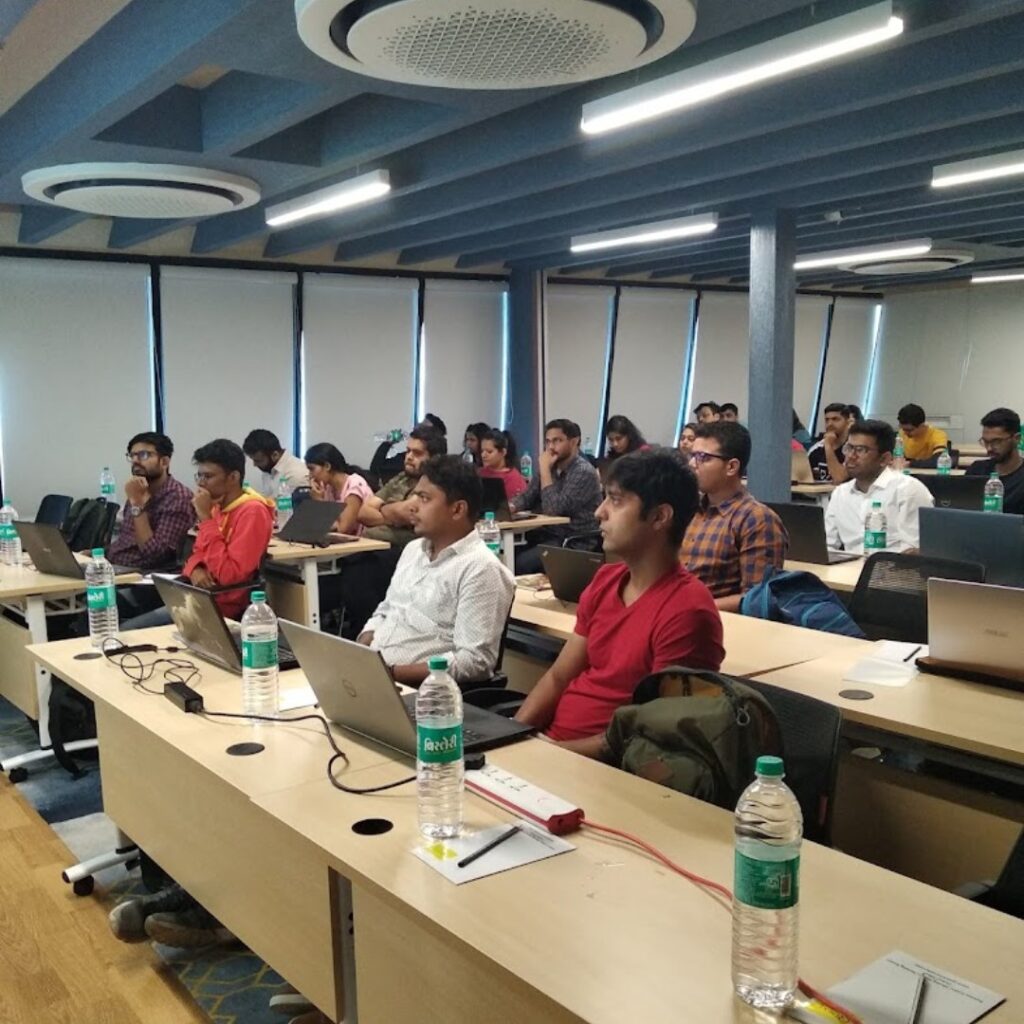
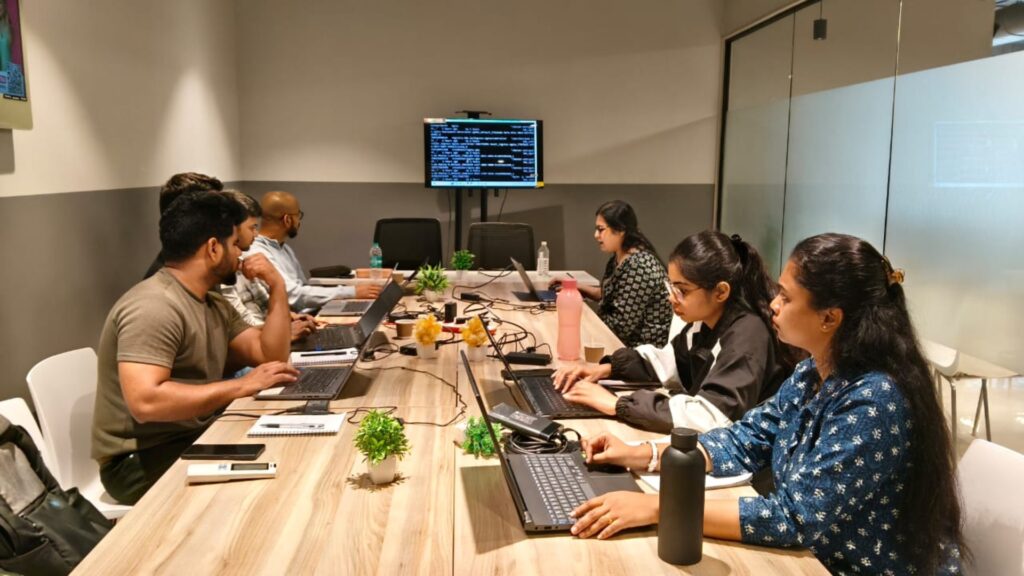
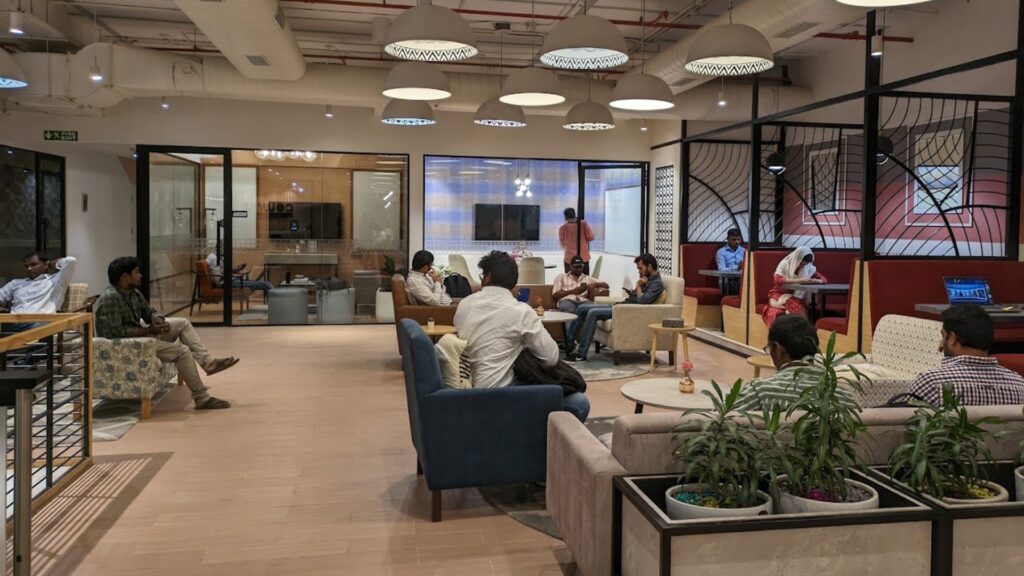
Student life at DevOps Institute Mumbai is anything but ordinary! From interactive events and surprise pizza parties to vibrant celebrations, every moment here is an exciting blend of learning and fun. See how we make education a truly unforgettable experience.
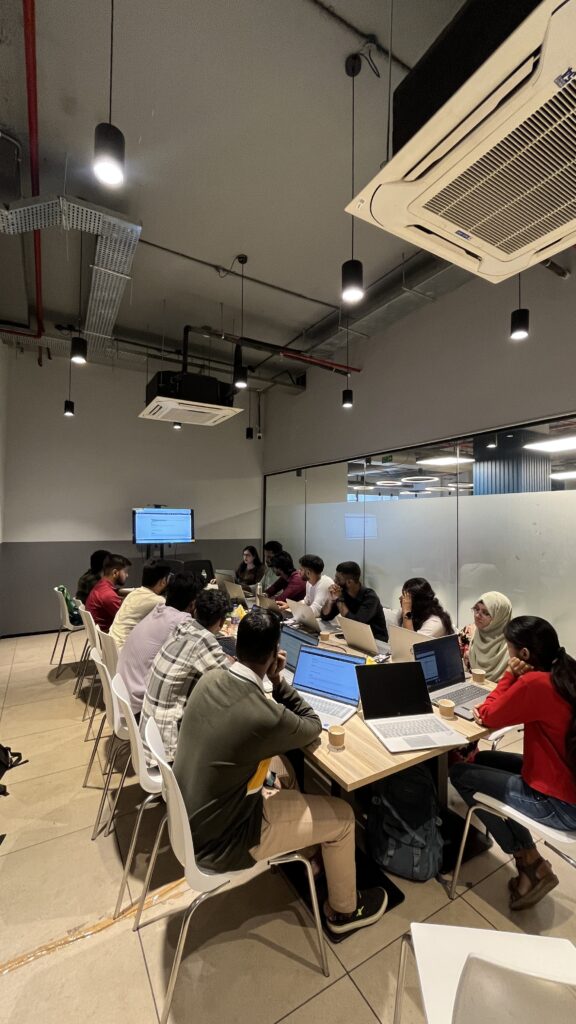
Spend a Day at DevOps Institute Mumbai
Student Project
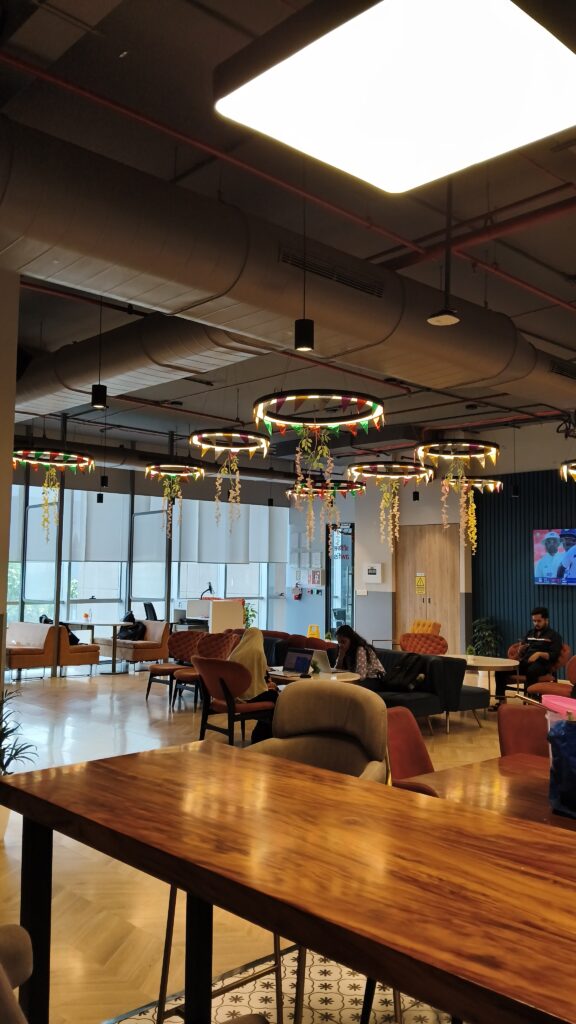
Coffee Breaks that Fuel Coders!
Step Into the AI Roles Enterprises Are Hiring For
Frequently Asked Questions
We know you might have some questions before getting started in our platform
What is the name of the certificate program, and which IIT offers it?
The program is called “Advanced PG Certificate Program in AI Engineering on Cloud and AIOps”.
It is offered by , one of India’s top-tier IITs.
What are the eligibility criteria for this program, and who should ideally enroll?
This program is ideal for candidates with a solid foundation in mathematics and programming, along with a strong interest in technology. Applicants must meet the following eligibility criteria:
- A 3 to 4-year undergraduate degree in a STEM field (such as B.Sc or B.Tech)
- Exposure to programming and computing, either through academic coursework or professional/project experience
- A minimum of 50% aggregate marks in their undergraduate program
- While 1 year of work experience is preferred, well-qualified fresh graduates are also encouraged to apply
How can I apply to the PG Certificate Program in AI Engineering on Cloud and AIOps
Click on Apply now and fill form.
When will the application process to the program start?
The application process for CEC, IIT Patna’s PG Certificate Program has already begun.
What is the program's fee, and what financing options are available?
The program fee is ₹1.25 lakhs + 18% GST.
Financial options include loans available for 6-month and 12-month terms with a minimal interest rate.
Is there a selection process?
Yes. Admission to the program requires clearing a pre-screening exam and meeting the eligibility criteria.
What are the documents to be submitted for application?
While the exact list is not provided for this program, similar IIT Patna programs typically require:
- Application form
- ID proof
- Educational certificates (Class 10th, 12th, Graduation)
- Work experience certificates (if applicable)
- Passport-size photograph
Note: The same may apply unless otherwise stated
Will there be any pre-screen exams for enrolling in the Program?
Yes. The CyberScreener (IGT) is a 2-hour readiness test with MCQs and coding tasks.
Should I have experience in coding to qualify the pre-screening exam?
No. Programming knowledge is not mandatory, thought having programming knowledge is beneficial. Futurense provides a Bridge Course covering Python basics, prompt engineering, and AI tool usage to help bridge the gap before the actual course commencement